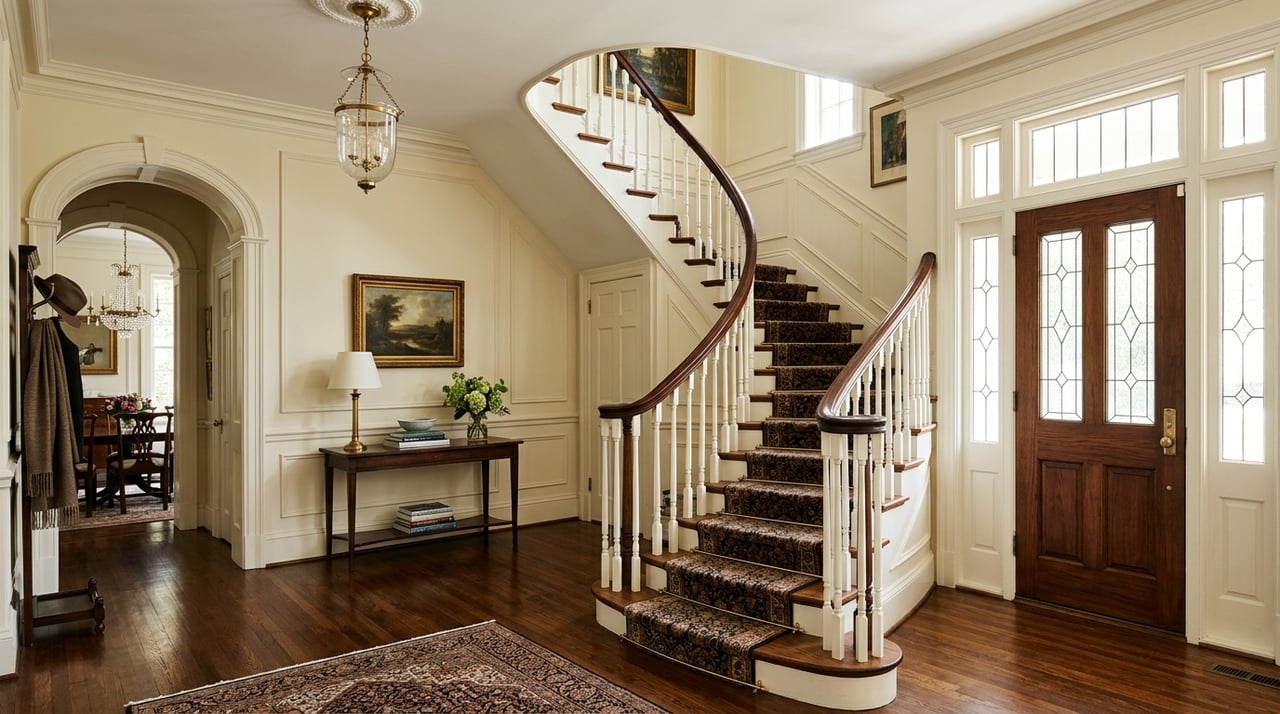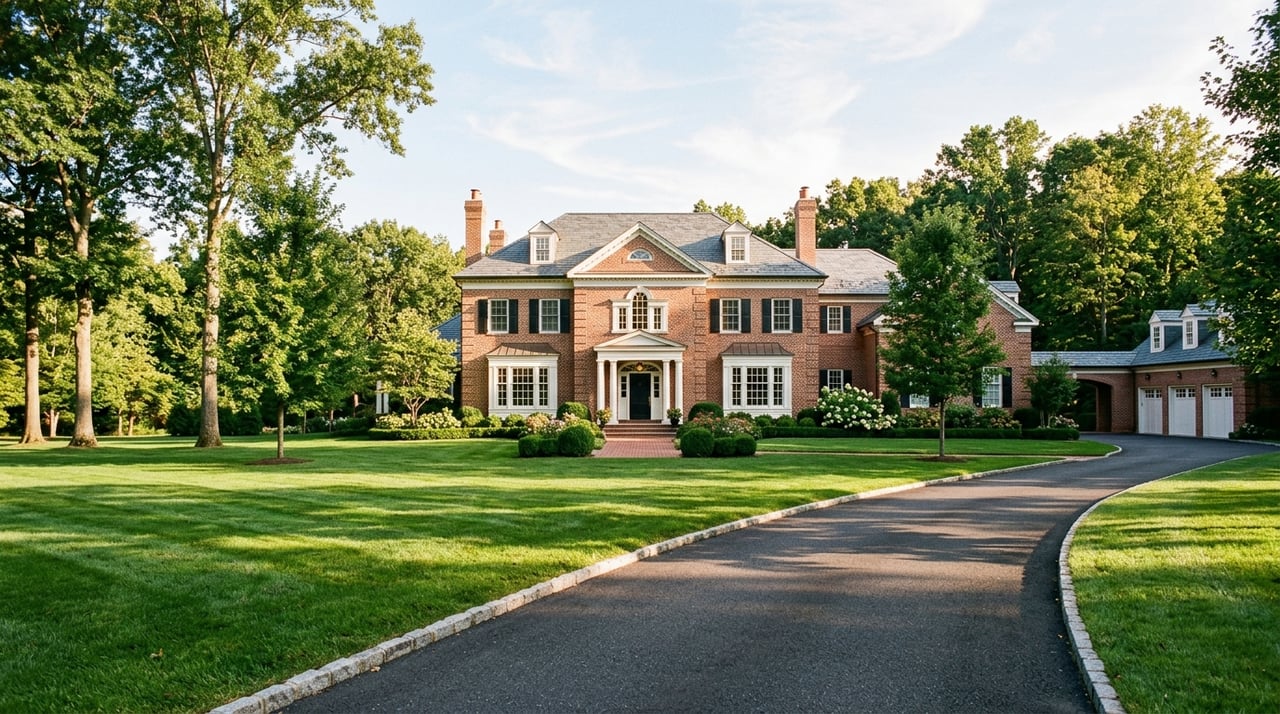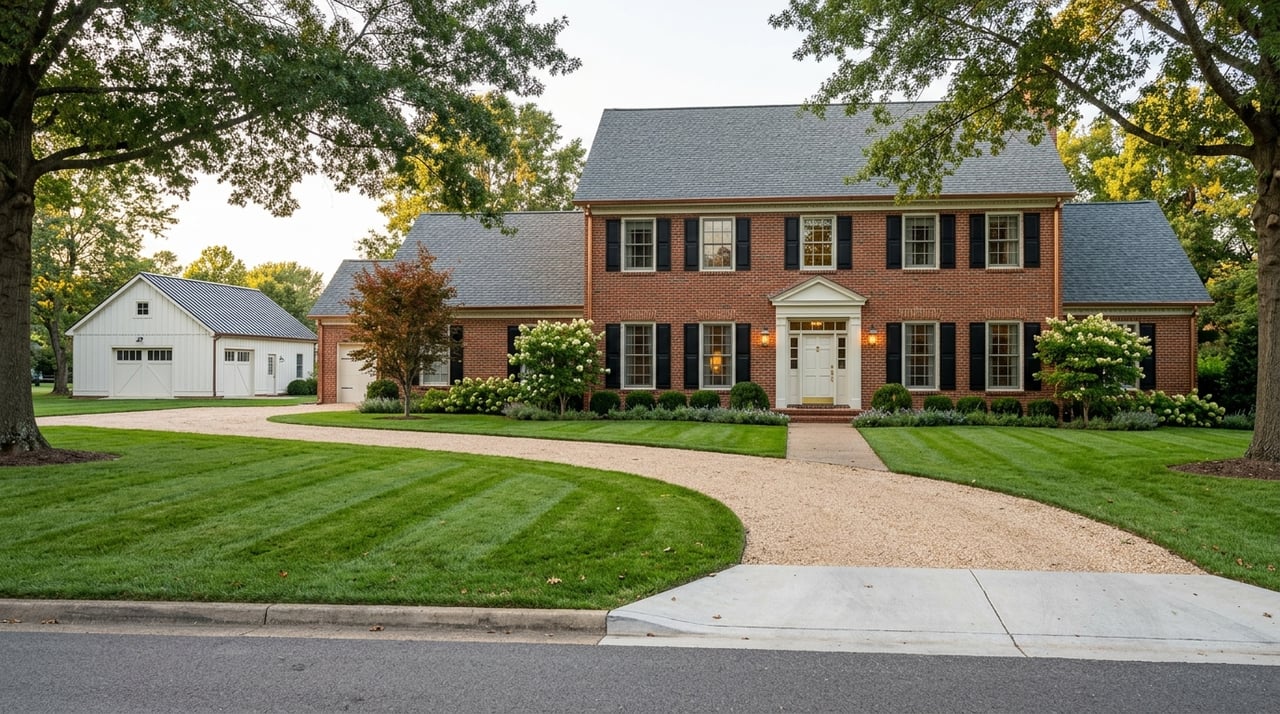
Selling a large-lot home in Aldie is not the same as selling a home on a standard suburban lot. Buyers are not just evaluating square footage and finishes. They are also looking at acreage, outbuildings, privacy, well and septic details, and in some cases historic-district rules that can affect future plans. If you want to sell with confidence, it helps to understand what makes these properties different and how to present them clearly. Let’s dive in.
Why Aldie large-lot homes need a different strategy
Aldie has a distinct identity within Loudoun County. The county describes it as part of its rural historic-village system, and Aldie is also a county-designated historic district centered on the Aldie Mill area. That matters because some properties may be affected by review rules for exterior changes.
For sellers, this means your property may offer features that buyers cannot easily find elsewhere. A large lot, scenic setting, outdoor utility, and existing site improvements can all add appeal. At the same time, buyers often need more information before they feel comfortable making a strong offer.
That extra layer of due diligence is one reason preparation matters so much. On a large-lot sale, the story is not just about the house. It is about the full package of land, systems, structures, records, and what a buyer can realistically do with the property.
What the current market says
The broader Northern Virginia market remained relatively tight in spring 2026. In April 2026, Loudoun County reported 496 closed sales, a median sold price of $805,000, 17 average days on market, and 1.6 months of supply. Those numbers point to a market where well-positioned listings can still stand out.
In Aldie’s 20105 ZIP code, upper-end pricing looked firm in March 2026. The median sold price was $1,280,000, active listings were down to 42, and months of supply was 1.2. While no sale is guaranteed to move quickly, these conditions suggest that strong presentation and smart pricing still matter in a low-inventory environment.
If you are selling because you plan to downsize later in 2026, there is another factor to watch. Bright MLS forecast that slightly higher inventory and lower mortgage rates could bring more first-time buyers and downsizers back into the market later in the year. That may shape your timing and your next move.
Price the whole property, not just the house
With a large-lot home, pricing should reflect more than interior finishes and bedroom count. Virginia disclosure law tells buyers to verify survey details, zoning, setbacks, lot coverage, and expansion potential on their own. In practical terms, that means acreage by itself does not tell the full value story.
What buyers really weigh is the utility of the land. They want to know how much of the site is usable, how the property drains, how access works, and whether existing features are documented and functional. A beautiful lot with unanswered questions may not command the same confidence as one with strong records.
A smart pricing approach usually looks at the property as a package, including:
- House condition and updates
- Usable land area
- Privacy and views
- Outbuildings and detached structures
- Driveway and access
- Well and septic information
- Surveys, easements, and approvals
- Historic-district status, if applicable
In parts of Aldie, the historic-district overlay can make existing approved or exempt improvements even more meaningful. Loudoun County says most exterior changes in the district require HDRC review before work begins, including many fences, signs, and new structures, with limited exceptions such as certain farm fences and bona fide farm buildings used primarily for agriculture or horticulture. If your property already has documented improvements in place, that can reduce uncertainty for a buyer.
Historic-district rules can shape buyer interest
If your home is in Aldie’s historic district, buyers may ask more detailed questions than they would in another part of Loudoun County. They may want to know whether a shed, barn, fence, detached garage, or addition was previously approved or exempt. They may also ask what kinds of future changes could require review.
This does not have to be a negative. In fact, clear records can become a selling advantage. When buyers understand what already exists and what rules apply, they can make decisions with fewer assumptions.
Loudoun County states that most exterior changes in the historic district require review by the Historic District Review Committee before work begins. Because of that, sellers should be ready to share any available approval records and explain existing site features as clearly as possible.
Well and septic details matter more on large lots
Many properties in Loudoun’s rural historic villages are served by individual wells and septic systems, and county planning documents note that Aldie is the only village served by a private water company. That means utility questions can vary from one property to the next, and buyers often pay close attention to how water and wastewater systems are handled.
Virginia follows a buyer-beware disclosure framework. Under the Residential Property Disclosure Act, sellers generally make no representations about property condition, lot lines, wastewater systems, flood zones, adjacent parcels, or historic-district impacts, and buyers are advised to do their own due diligence before settlement.
That legal framework does not mean sellers should stay vague. It means the best approach is to be organized. A clear document package can help buyers understand the property faster and may reduce avoidable concerns during negotiations.
For many Aldie large-lot homes, the most useful records include:
- Well record
- Septic permit and design
- Septic pump-out or maintenance history
- Any alternative onsite septic system inspection reports
- Survey plat
- Easement documents
- Historic-district approvals, if applicable
Should you test the well or septic before listing?
Virginia does not require a well inspection, water-quality test, or septic inspection just because a home is being sold. The Virginia Department of Health states that these activities are not required by the department in connection with the purchase or sale of property with private wells or onsite systems.
Still, buyers, lenders, or local requirements may lead to requests during the transaction. If you want a smoother process, it can help to think ahead about what a buyer is likely to ask for once your home is under contract.
If your property has an alternative onsite septic system, that deserves special attention. Loudoun County says these systems are typically 2 to 4 times the cost of a conventional onsite system and must be operated, maintained, and inspected by a licensed professional. Homeowners with these systems are also contacted each year for inspection by a licensed operator no later than July 1.
That does not automatically reduce value, but it can affect how buyers think about long-term costs. Strong maintenance records can make a difference.
Market outdoor spaces like real assets
A large lot is not a background feature. In Aldie, it is often one of the main reasons a buyer is interested in the property at all. Your marketing should show how the land lives, not just how it looks.
That includes more than wide exterior photos. Buyers want to understand where they can gather, garden, park, work, store equipment, or enjoy privacy. They also want to know how detached structures and outdoor improvements fit into the overall property.
Useful marketing points may include:
- Flat usable yard areas
- Patios and outdoor entertaining spaces
- Gardens and landscaped zones
- Detached garages, workshops, barns, sheds, or storage buildings
- Driveway layout and access points
- View corridors and privacy buffers
- Existing fences and whether they are approved or exempt, if relevant
Aldie also has a strong outdoor and scenic identity. Loudoun County describes Hal & Berni Hanson Regional Park as a 257-acre regional park in Aldie, and county planning language emphasizes the scenic and historic value of rural villages. That broader setting helps support the appeal of homes where outdoor utility and open space are central to daily life.
Expect negotiations to focus on certainty
In many semi-rural transactions, negotiations are less about small cosmetic issues and more about systems, records, and site conditions. Buyers may focus on well water, septic age and maintenance, drainage, driveway condition, easements, or the approval status of certain improvements.
This is where preparation can protect your leverage. If you can answer reasonable questions early and provide solid documentation, buyers may feel more comfortable making stronger offers without building in as much risk protection for themselves.
That does not mean every issue needs to be solved before listing. It means you should know where your likely questions are and have a plan for how to address them. A calm, methodical approach usually serves large-lot sellers well.
How to prepare before you list
If you are getting ready to sell a large-lot home in Aldie, start with the basics that reduce buyer uncertainty. Gather your records, review what is known about the property, and identify anything a buyer may need to verify.
A practical pre-listing checklist includes:
- Locate your latest survey or plat
- Gather well and septic documents
- Organize maintenance and pump-out records
- Pull any AOSS inspection reports, if applicable
- Find easement or access documents
- Collect HDRC approvals or exemption information, if applicable
- Review outbuildings and site features for accurate marketing descriptions
- Discuss pricing based on house condition, land utility, and documentation
When these details are handled upfront, your listing can feel more complete and more credible. That matters in a market where buyers are willing to pay for properties that reduce guesswork.
Selling a large-lot home in Aldie takes more than attractive photos and a sign in the yard. It takes a pricing strategy that reflects land utility, a marketing plan that highlights outdoor assets, and a transaction process built around documentation and clarity. If you want experienced, steady guidance from a team that understands Loudoun County’s higher-end homes and the details that drive confidence, connect with Wicker Homes Group.
FAQs
What makes selling a large-lot home in Aldie different from selling a typical suburban home?
- Buyers often evaluate more than the house itself, including usable acreage, outbuildings, well and septic details, access, easements, and in some cases historic-district rules that affect exterior changes.
What should sellers in Aldie know about historic-district rules?
- Loudoun County says most exterior changes in Aldie’s historic district require HDRC review before work begins, including many new structures, fences, and signs, with limited exceptions.
What documents help most when selling a large-lot home in Aldie?
- The most helpful records often include the survey plat, well record, septic permit and design, pump-out or maintenance history, any AOSS inspection reports, easement documents, and historic-district approvals if they apply.
Do sellers in Aldie need to test a private well before listing a home?
- Virginia does not require a well inspection or water-quality test solely because a property is being sold, but lenders or local requirements may lead to testing requests during the transaction.
Do sellers in Aldie need a septic inspection before listing a home?
- Virginia does not require septic-related activities just because a home is being sold, though buyers and lenders may request inspections or additional information during due diligence.
How should a large-lot home in Aldie be priced?
- Pricing should reflect the full property package, including house condition, land utility, privacy, views, outbuildings, access, system condition, and the quality of records and approvals available to buyers.
Why do alternative septic systems matter when selling a home in Loudoun County?
- Loudoun County says alternative onsite septic systems typically cost 2 to 4 times more than conventional systems and must be maintained and inspected by a licensed professional, so buyers often pay close attention to records and ongoing costs.