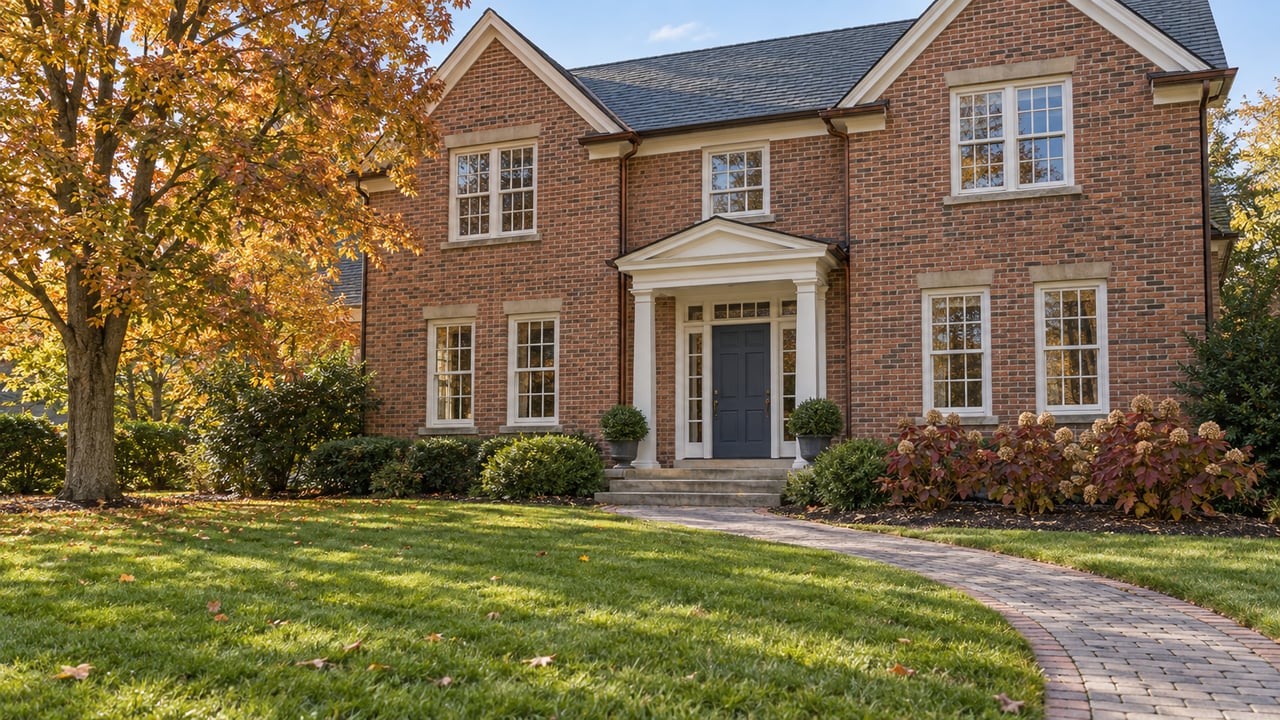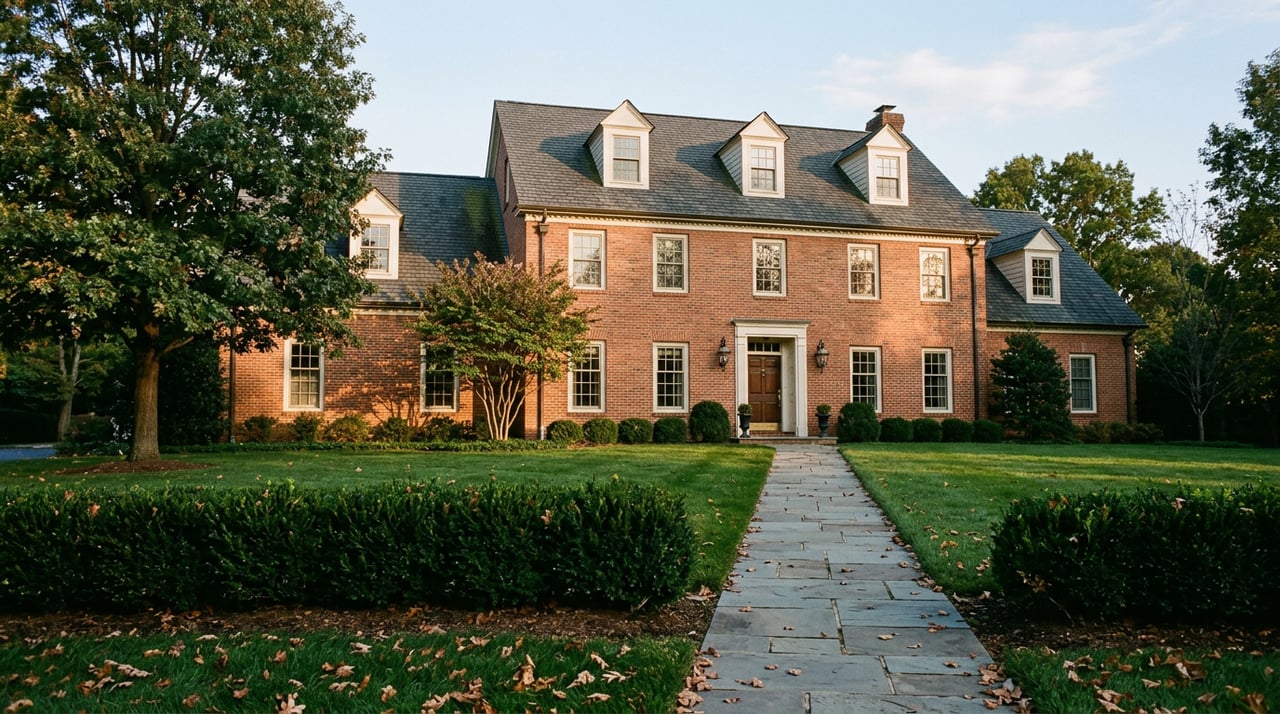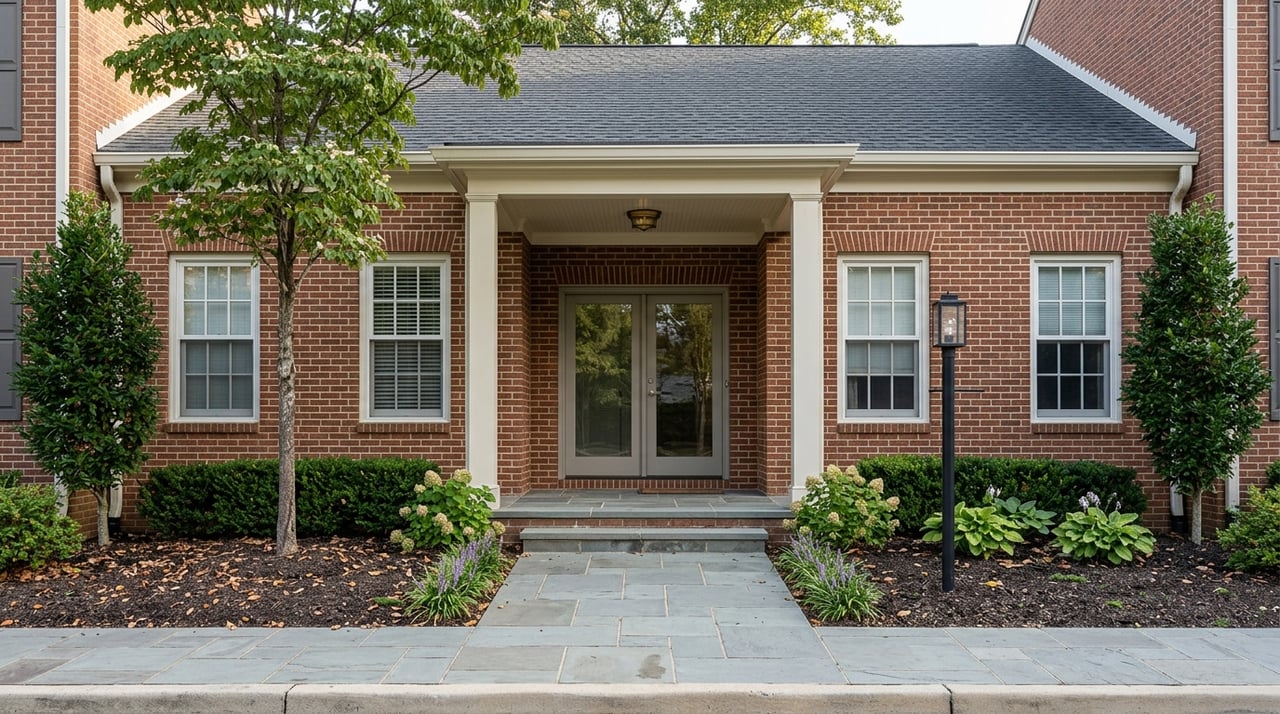
Wondering why two Reston homes with similar prices can lead to very different monthly costs? Association fees are often the reason, and they can change how affordable a home feels once you move past the listing price. If you are searching in Reston, understanding how Reston Association fees work can help you compare homes more accurately, avoid surprises, and choose the right fit for your budget. Let’s dive in.
Why Reston fees matter
In Reston, association costs are often layered. Reston Association notes that the community includes more than 160 sub-associations, which means a home may have only the Reston Association assessment or that fee plus a cluster or condominium assessment. In some communities, condo owners may also pay a separate master or community association fee.
That matters because the listing price does not tell the full story. Two homes can look similar online, but one may come with just the Reston Association fee while another carries multiple association charges. If you do not factor those costs in early, your monthly budget can get tight fast.
What the Reston Association fee is
For 2026, the Reston Association annual assessment is $890. For eligible Fairfax County tax-relief participants, the assessment is $445. The fee is billed yearly, due January 1, and late fees apply after March 1.
The Reston Association also lists a 2026 transfer fee of $374 at settlement. That is a one-time closing cost, not part of your regular monthly housing expense. It is still important to budget for it, especially if you are already planning for other closing costs.
Reston Association monthly equivalent
A simple way to compare costs is to convert annual fees into monthly numbers.
- Reston Association annual assessment: $890
- Approximate monthly equivalent: $74.17
- Eligible tax-relief annual assessment: $445
- Approximate monthly equivalent: $37.08
Even though this fee is billed annually, thinking of it as a monthly cost helps you compare one Reston property to another more realistically.
What the Reston Association fee covers
One reason many buyers accept the added cost is that the Reston Association assessment supports a wide range of shared amenities and community infrastructure. According to Reston Association budget materials, assessment revenue funds daily operations, long-term infrastructure, environmental stewardship, and member programs.
Reston Association states that the annual assessment supports 15 outdoor swimming pools, 52 tennis courts, 1,350 acres of open space, four lakes, 55 miles of pathways, reforestation, recreation programs, and covenant enforcement. Recreation passes are included at no extra charge, with unlimited access to pools, tennis courts, and pickleball courts for members.
For many buyers, that changes the value equation. A fee is easier to understand when you know what services, amenities, and maintenance it helps support.
What the Reston fee does not cover
It is just as important to know what this fee does not include. Reston Association states that it does not maintain roads in Reston. Most roads are handled by VDOT, although some streets are the responsibility of a cluster association.
That is a good example of why you should never assume a fee covers everything outside your front door. If road maintenance, sidewalks, parking areas, or snow removal matter to you, those items need to be confirmed in the association documents for the specific home you are considering.
Why cluster and condo fees vary
Cluster and condo fees in Reston can be very different from one neighborhood to the next. The biggest reason is simple: different associations maintain different things. That can include amenities, private roads, landscaping, snow removal, insurance, reserve funding, and common-area utilities.
Soapstone Cluster offers a useful example. Its annual assessment is $1,880, billed quarterly at $470. Its budget includes administration, grounds maintenance, trash and recycling, snow removal, professional fees, repairs and maintenance, capital reserves, taxes and insurance, utilities, and operating surplus.
Soapstone also states that it owns and maintains common property such as woods, parks, playgrounds, sidewalks, parking lots, and car entrances. When an association is responsible for more shared property and more ongoing services, the dues can be higher. That is why two Reston townhome communities may have very different fees even if the homes appear similar at first glance.
A layered condo example
West Market shows how layered fees can work in practice. According to West Market, all properties pay the West Market assessment, while condo owners pay an additional assessment to their condo association. Homes in the condo sections must also order resale documents for both associations.
West Market also describes private roads, a clubhouse, a pool, and a fitness center. More amenities and privately maintained infrastructure can increase the overall fee burden, but they may also reduce your individual maintenance responsibilities in certain areas.
How to compare fee value
When you are house hunting in Reston, the best question is not always, “Which home has the lowest fee?” A better question is, “Which home gives me the right mix of services, amenities, and maintenance responsibility for the total monthly cost?”
A lower fee may mean fewer shared amenities or more owner responsibility for repairs and upkeep. A higher fee may mean more maintenance is handled for you, along with access to amenities you plan to use regularly. The right answer depends on your lifestyle, budget, and how hands-on you want to be.
Build a true monthly budget
If you want a clearer picture of affordability, use a full monthly budget screen instead of focusing only on principal and interest. In Reston, association costs can be a meaningful part of your total housing expense.
A practical budget should include:
- Mortgage payment
- Property taxes
- Homeowner's insurance
- Reston Association assessment
- Cluster or condo dues
- Any special assessment
- One-time transfer or resale charges
This approach gives you a more accurate side-by-side comparison when you are deciding between neighborhoods, property types, or price points.
Example of combined fees
Using the 2026 numbers above, the Reston Association annual fee of $890 works out to about $74.17 per month. Soapstone Cluster's annual assessment of $1,880 works out to about $156.67 per month.
If a buyer owed both, the combined monthly carrying cost for those two association fees would be about $230.83 before any condo or master-association fee. That is exactly why buyers should review all fees before deciding a home fits the budget.
Review documents before you offer
Virginia law requires associations to make annual budgets available and to review reserve studies regularly. Virginia condominium law also defines common expenses to include operating costs and reserve funding, and boards can levy additional assessments if the budget is not enough.
For you as a buyer, that means the current budget and resale documents matter. They can show not just what you pay today, but also how the association plans for future repairs and whether there may be additional costs.
Reston buyers should request both the Reston Association resale disclosure packet and any cluster or condo packet before making a final offer. Those documents, more than the listing price alone, tell you what the monthly cost really includes.
Smart questions to ask
Before you move forward on a home in Reston, it helps to ask a few direct questions.
- Does this property have only the Reston Association fee, or are there additional cluster, condo, or master association fees?
- What services and amenities do those fees cover?
- Are roads, sidewalks, parking areas, or snow removal maintained by the association?
- Are recreation passes included?
- Are there any current or planned special assessments?
- What do the current budget and reserve documents show?
- What one-time transfer or resale charges should you expect at closing?
These questions can help you avoid making apples-to-oranges comparisons between homes.
The bottom line for Reston buyers
Association fees are not automatically good or bad. In Reston, they are simply part of how many neighborhoods are structured, and they often support amenities, open space, and shared maintenance that buyers value. The key is to understand the full fee picture before you fall in love with a home.
If you want help comparing Reston neighborhoods, reviewing the real monthly cost of a property, or making sense of layered association fees, Wicker Homes Group can help you search with clarity and confidence.
FAQs
What is the Reston Association fee in Reston for 2026?
- The 2026 Reston Association annual assessment is $890, or $445 for eligible Fairfax County tax-relief participants.
What does the Reston Association fee cover in Reston?
- According to Reston Association, the fee supports daily operations, infrastructure, environmental stewardship, member programs, pools, courts, lakes, trails, open space, recreation programs, and covenant enforcement.
Do all Reston homes have only one association fee?
- No. A Reston property may have only the Reston Association assessment or that fee plus a cluster, condo, or in some cases an additional master or community association fee.
Is the Reston Association transfer fee a monthly cost?
- No. The 2026 transfer fee of $374 is a one-time closing cost paid at settlement.
Why do Reston condo and cluster fees differ so much?
- Fees vary because each association may maintain different amenities, shared spaces, private roads, utilities, insurance, reserves, and services like trash or snow removal.
What documents should a Reston homebuyer review before making an offer?
- You should review the Reston Association resale disclosure packet along with any cluster or condo resale packet to understand current dues, budget details, reserve information, and possible added costs.